As Christopher Nolan’s much-anticipated adaptation of The Odyssey arrives in cinemas this summer, audiences around the world are once again being drawn into one of history’s greatest stories. More than 2,500 years after Homer first composed his epic tales, the adventures of Odysseus continue to inspire new generations of readers, artists and filmmakers.
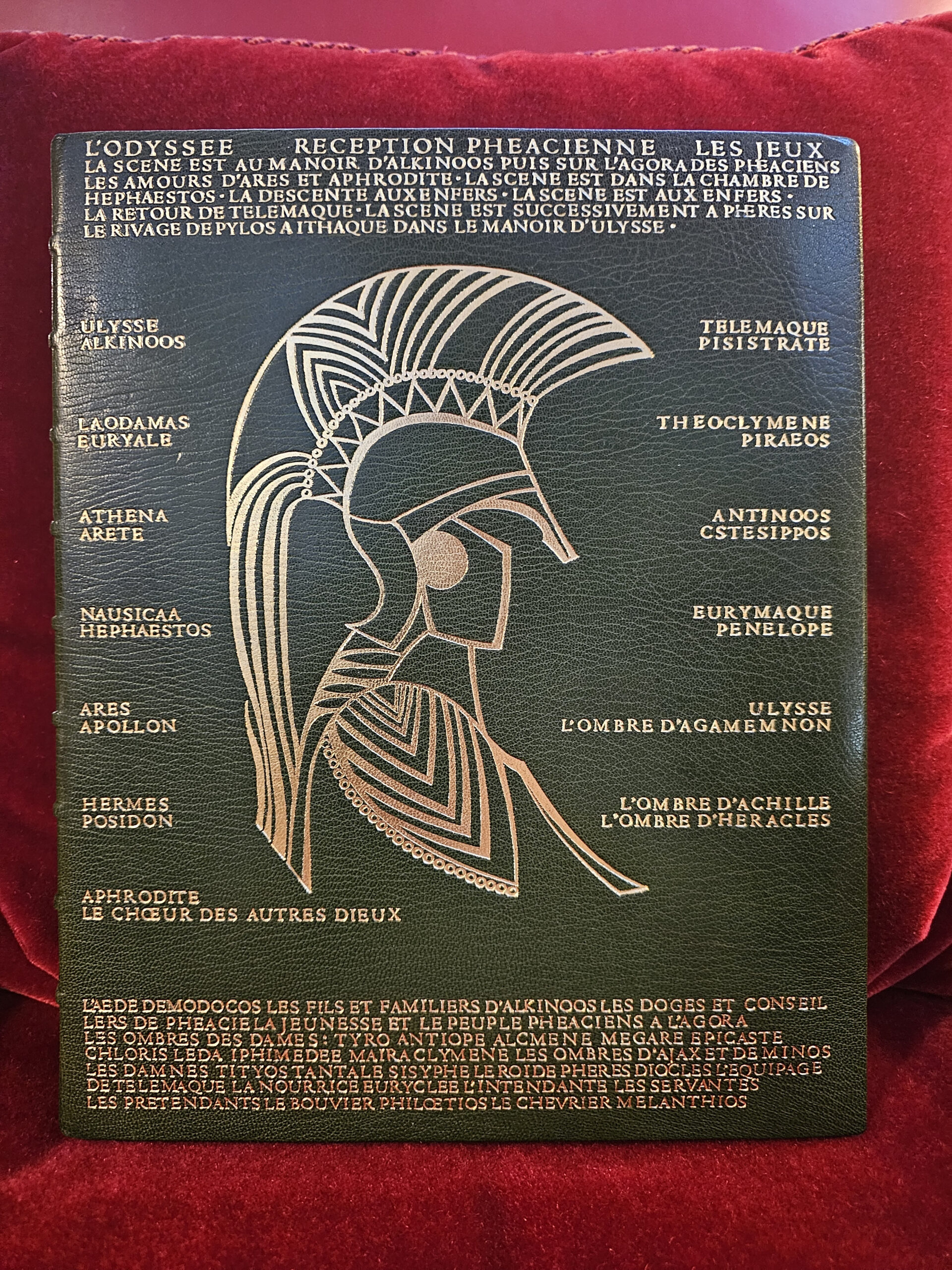
Yet long before the story reached the silver screen, it lived in beautifully crafted books -works of art in their own right, that celebrated not only Homer’s words but the enduring power of print.
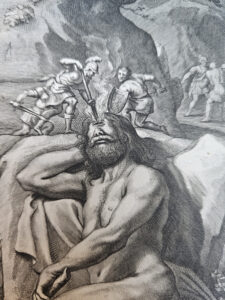
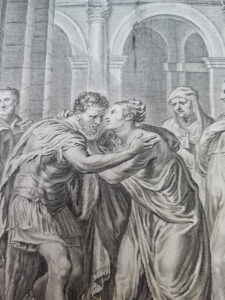
Within the Library at Wormsley is one such treasure: a magnificent seventeenth-century edition of Homer’s epics, translated and illustrated by the celebrated cartographer, printer and publisher John Ogilby.
Published in London in 1660 (The Iliads) and 1669 (The Odysses), Ogilby’s editions were among the most ambitious illustrated books of their age. Richly engraved with dramatic scenes from the ancient world, they transformed Homer’s stories into a visual experience, inviting readers to journey alongside Achilles, Hector and Odysseus through both words and images.
For seventeenth-century readers, these volumes represented something extraordinary, since printing on such a lavish scale required exceptional craftsmanship. Ogilby’s translations would have helped make the classics more accessible, reflecting the growing appetite for literature, exploration and learning at that time.
Today, they remain remarkable not only for their literary significance but also for their artistry. Every exquisite illustration captures moments of drama and mythology that continue to resonate centuries later, reminding us that storytelling has always been as much about imagination as it is about language.
Christopher Nolan’s adaptation – already receiving rave reviews – demonstrates that Homer’s themes remain as compelling now as they were in antiquity: courage, resilience, identity, loyalty and the long journey home. Every generation finds new meaning in these ancient poems, retelling them through the lens of its own time.
 At Wormsley, however, these stories are preserved in a form that invites a different kind of reflection. Turning the pages of a seventeenth-century Homer is to experience not only the words of an ancient poet but the history of the book itself – an object created with extraordinary care, intended to endure for generations.
As audiences discover The Odyssey in cinemas this summer, we’re reminded that every modern retelling begins with a story that has travelled through centuries of readers, printers, collectors and custodians. It is a journey almost as remarkable as Odysseus’ own.